
A dynamic website is a type of website that adapts to the user's needs and interactions. In this article, we will explore its key features, advantages, and differences compared to static websites.
What are dynamic websites?
Dynamic websites are websites whose content can change in real time. This means that the content is generated based on user interactions, such as search queries, selections, or other activities. Dynamic websites typically use technologies such as PHP, JavaScript, and databases to enable this flexibility.
Unlike static websites, which have fixed content, dynamic websites allow for dynamic content generation. This means that a website can display different information to different users, which increases user experience. 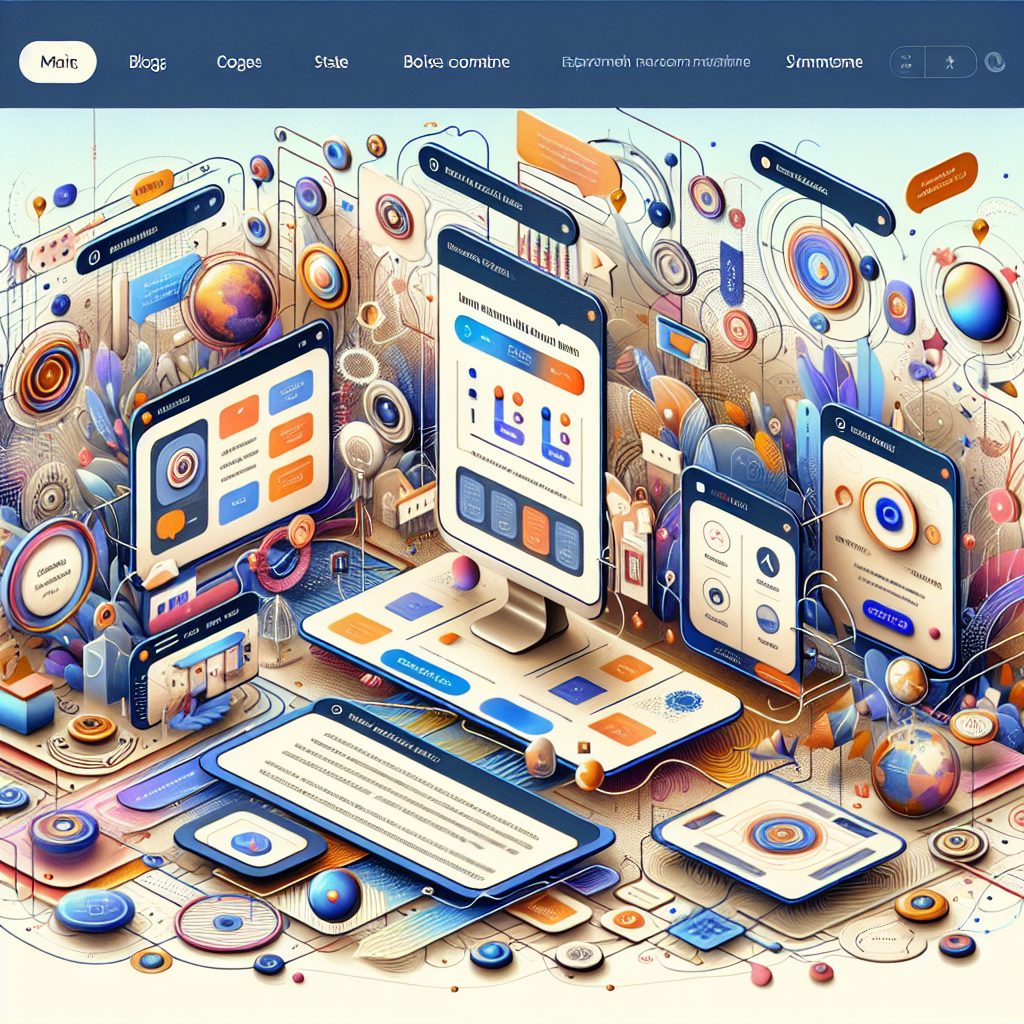
Advantages of dynamic websites
One of the biggest advantages of dynamic websites is their adaptability. Users can get information that interests them, which increases their engagement. For example, online stores can adjust their offers based on a user's previous behavior, which increases the likelihood of a purchase.
In addition, dynamic websites often allow for easy content management. With the help of content management systems (CMS) such as WordPress or Joomla, users can easily add, edit, or delete content without any programming knowledge required. This means that businesses can quickly update their websites and stay competitive in the marketplace. 
How do dynamic websites work?
Dynamic websites work by generating content on the server for each user request. When a user enters the website, the server processes the request and delivers content that is tailored to specific parameters such as user data, preferences, and previous interactions.
The technologies that support dynamic websites include HTML, CSS, JavaScript, and various scripting languages such as PHP and Python. All of these components work together to create a user-friendly and interactive experience. When combined with databases such as MySQL or MongoDB, dynamic websites allow for the storage and processing of large amounts of data, which is crucial for scalability and efficiency.
At website creation Dynamism is key these days.
Conclusion
Dynamic websites represent a modern solution for companies and individuals who want to create an interactive and adaptive online experience. With their ability to adapt content to user needs and easy management, they enable companies to remain competitive and relevant in a rapidly changing digital environment.